Thinking about The Oaks and wondering how it stacks up against mandatory country club communities in Boca Raton and Palm Beach County? You are not alone. Many buyers love the idea of resort-style living but want clarity on fees, rules, and everyday access. In this guide, you will see the key differences in cost, governance, amenities, and resale so you can choose the right fit. Let’s dive in.
The big picture: two models
The core difference is not the pool or the tennis courts. It is how the community is structured and who controls what. In The Oaks and similar gated neighborhoods, the homeowners’ association (HOA) typically oversees roads, landscaping, entry, and rules for homes, while a separate entity may operate club facilities. In mandatory country club communities, membership in the club is required by deed or contract, which adds specific financial and rule-based obligations.
What “mandatory membership” means
- You must join the affiliated club when you buy a home.
- Expect a one-time initiation fee and recurring dues.
- Club rules govern access, guests, reservations, and use of facilities.
- The obligation can be enforced through recorded covenants or contracts tied to the property.
Where The Oaks fits
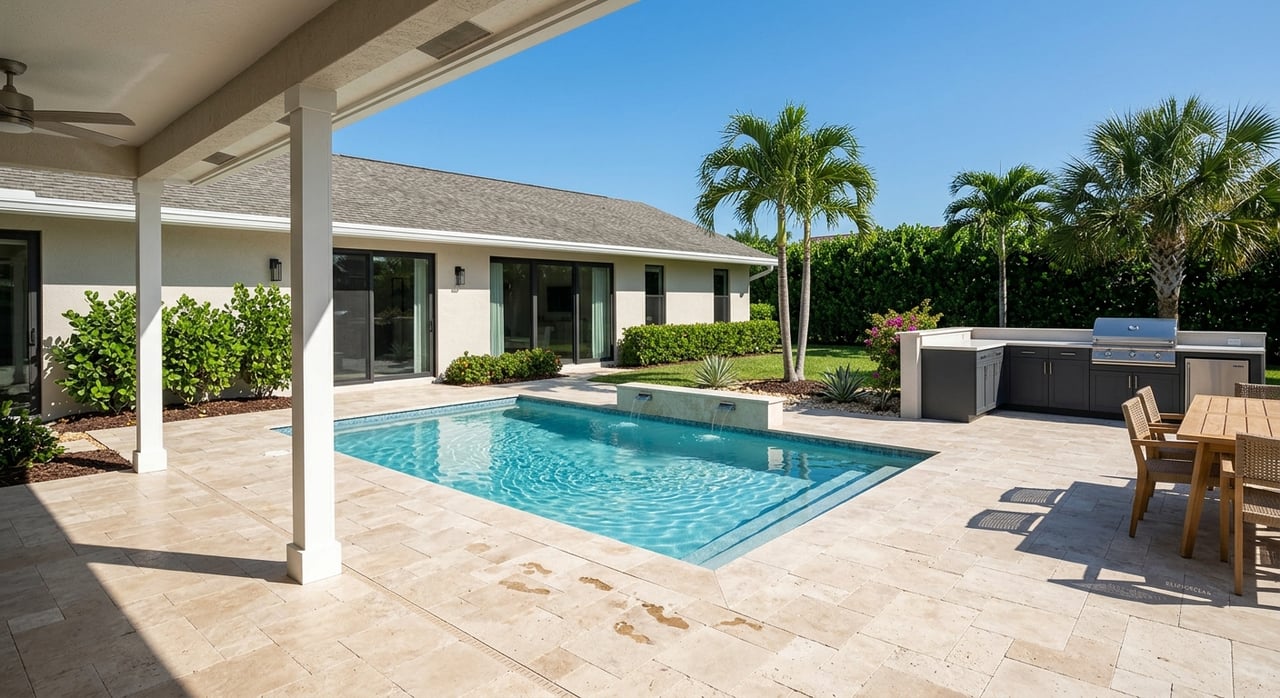
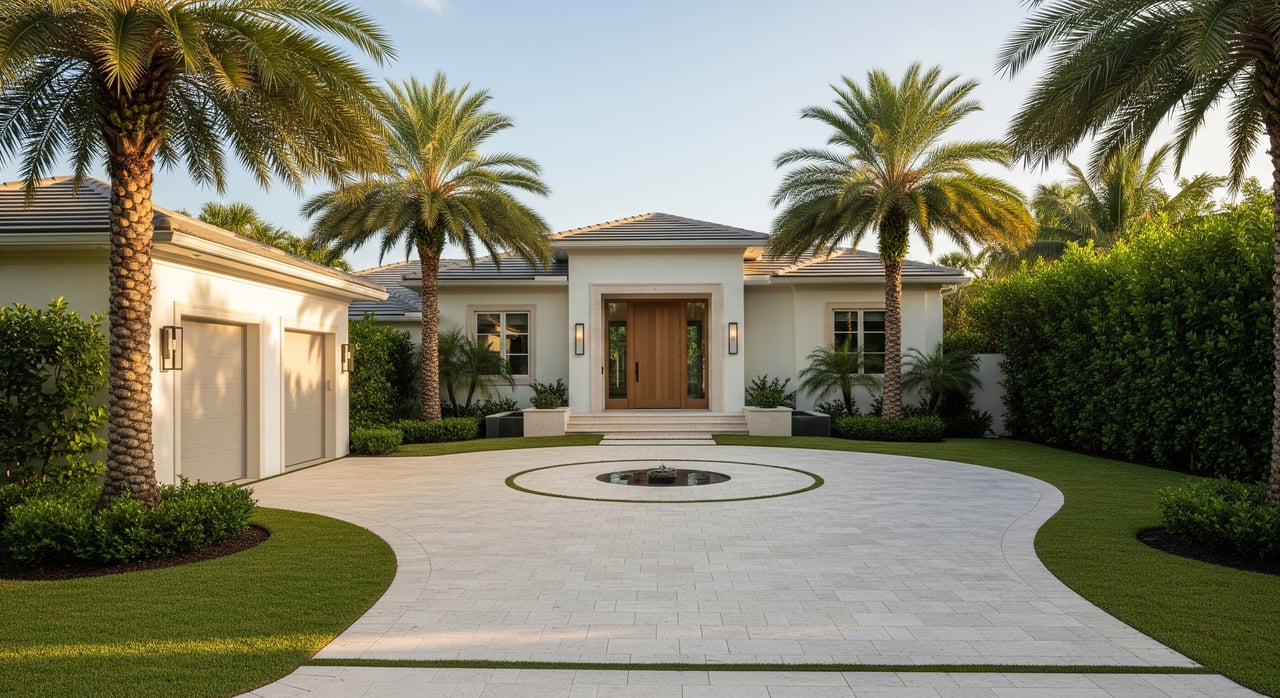
The Oaks is a high-end, gated Boca Raton neighborhood with an amenity-rich lifestyle typical of luxury South Florida communities. Amenities often include a clubhouse setting, fitness, tennis or pickleball, pool areas, dining, and a full social calendar; some communities include golf. The specific ownership and operating structure for each facility can vary, so you should confirm whether amenities are HOA-controlled or operated by a separate club entity before you buy.
Amenities and access
The physical amenity sets can look similar across both models. The difference is how you can use them, how you book them, and which rules apply.
Access rights to facilities
- In HOA-centric communities like The Oaks, many amenities are available to residents as part of the HOA structure, while certain facilities may be governed by separate agreements.
- In mandatory club communities, amenities are accessed through your club membership and are subject to the club’s bylaws and policies.
- Always ask who controls each facility, what the hours and reservation systems are, and whether any spaces are members-only.
Guest policies and reservations
- Confirm guest limits, peak-time rules, and how tee times or court reservations are prioritized.
- Ask about holiday and season demand. South Florida’s seasonal influx can affect wait times and availability.
- Clarify dining minimums, event booking rules, and whether outside events are hosted that may impact parking or noise.
Governance and rules
How a community is governed affects everything from your monthly budget to your ability to renovate.
HOA vs. club authority
- The HOA enforces covenants, collects dues, and maintains common infrastructure.
- The club (if present) manages clubhouse operations, programming, and any golf, tennis, or dining services.
- In many communities, the HOA and club are separate legal entities with their own boards and financial plans.
Why this matters to you
- Rules and remedies differ based on whether an issue falls under HOA covenants or a club membership agreement.
- If membership is mandatory by recorded covenant, the club can enforce dues and rules against homeowners.
- Review recorded documents, bylaws, and any agreements between the HOA and club to understand rights, obligations, and dispute resolution.
Fees and the true cost
You should look beyond the listing price to calculate a predictable, apples-to-apples ownership cost.
One-time and recurring fees
- HOA dues: cover common area maintenance, security, landscape, and association insurance for common elements.
- Club initiation fee: varies widely; may be refundable or nonrefundable depending on the agreement.
- Club dues: monthly or annual dues for operations, staffing, and facility upkeep.
- Special assessments: can arise from the HOA or the club for major repairs or renovations.
- Taxes and insurance: consider property taxes, windstorm and hurricane coverage, and any flood insurance needs.
How to compare communities
Use an “all-in” 12-month cost to evaluate options on equal footing:
- Add monthly HOA dues.
- Add club dues if mandatory.
- Amortize initiation fees over your expected ownership horizon (for example, initiation fee divided by 10 years, then monthly).
- Include estimated monthly shares of any assessments, insurance, and property taxes.
- Consider utilities and landscaping if billed separately.
This approach highlights whether a lower purchase price is offset by higher recurring costs or vice versa.
Lifestyle and culture
Amenities are only part of the decision. The daily rhythm and social calendar should match your expectations.
Daily life differences
- The Oaks-style communities emphasize privacy, security, and easy access to on-site fitness, pool, and racquet sports, with a community social calendar.
- Mandatory club communities often offer a robust event schedule focused on club programming and organized sports, which can create a highly social environment.
- Larger club events can increase visitor traffic and activity around the clubhouse.
Seasonal rhythms in Palm Beach County
- The metro area sees a strong snowbird season. Expect busier facilities, fuller event calendars, and higher demand for reservations in peak months.
- Off-season periods can feel calmer and may offer easier access to popular amenities.
- Touring during both peak and off-peak times is the best way to gauge fit.
Resale and financing
Your exit strategy matters. Understanding marketability and lending impacts will help you buy wisely.
Marketability factors
- Recognized clubs can attract buyers who prize a club-driven lifestyle and social network.
- Mandatory membership narrows the pool to buyers who accept recurring dues and initiation fees, which can affect time on market.
- Transparent financials, healthy reserves, and predictable dues often support stronger resale outcomes.
Lender and appraisal considerations
- Lenders and appraisers review total monthly obligations, including high HOA dues and required club dues.
- Some lenders will ask for documentation on initiation fees and any pending assessments.
- Confirm whether initiation fees and dues are treated as personal or real property items for lending and tax purposes.
Due diligence checklist
Before you write an offer, gather documents and verify the financial and legal structure.
Governing documents and financials
- Recorded covenants, conditions, and restrictions (CC&Rs) or declaration of covenants.
- HOA bylaws, rules, current budget, and 2 to 3 years of financial statements.
- Reserve study and the latest reserve funding plan.
- Board and annual meeting minutes for the last 12 to 24 months.
- Current assessments and a history of special assessments.
- HOA delinquency rates and collection practices.
Club-specific documents
- Club bylaws, membership agreement, and fee schedules.
- Transfer and assignment rules: who pays initiation at sale, and is membership transferable.
- Club capital plan and history of major repairs or course renovations.
- History of dues increases and special assessments.
- Any agreements between the HOA and the club (lease, license, or management).
Transaction and title items
- Estoppel letter confirming amounts owed and any enforcement actions.
- Title commitment that shows recorded covenants and liens.
- Rental policies, pet rules, and any short-term rental restrictions.
Insurance, taxes, and physical risk
- Property tax history through county records.
- Flood zone status and FEMA maps to confirm insurance needs.
- Community master insurance coverage and any assessable windstorm deductibles.
- Structural reports relevant to course adjacency or waterfront features, if applicable.
Practical lifestyle checks
- Visit during a busy weekend in season and a typical weekday.
- Ask about guest policies, parking, dining hours, and peak reservation times.
Touring tips and next steps
- Schedule tours in and out of season to see real usage patterns.
- Request a trial visit or prospective-member day if available.
- Ask who operates each facility, how conflicts between HOA and club are resolved, and whether any capital projects are planned.
- Engage a Florida real estate attorney experienced with covenants and club agreements, a lender familiar with club dues and initiation fees, and an insurance agent who understands wind and flood coverages in Palm Beach County.
Palm Beach County context
Local dynamics matter when choosing between The Oaks and a mandatory club.
- Seasonal demand drives activity and can influence access to facilities and social calendars.
- Climate risk, including hurricane season and potential flooding, affects insurance costs and can lead to capital needs for infrastructure.
- Well-run communities with transparent reserves often retain value and attract confident buyers in competitive markets.
Bottom line
If you want an amenity-rich lifestyle with HOA-driven access and a range of on-site conveniences, The Oaks-style environment may be the right fit. If you prefer a club-centric social life and are comfortable with initiation fees and dues, a mandatory country club community could be ideal. Whichever path you choose, center your decision on governance, total cost, and how the day-to-day experience aligns with your goals.
If you would like a side-by-side breakdown of specific communities and an all-in cost analysis tailored to your timeline, reach out to Brian Bahn. Our team can secure the right tours, gather the documents, and help you buy with confidence.
FAQs
What is a mandatory country club community in Boca Raton?
- It is a neighborhood where joining the affiliated club is required by deed or contract, with initiation fees, recurring dues, and club rules tied to ownership.
How do The Oaks HOA fees differ from club dues?
- HOA dues fund community operations like gates, landscaping, and common-area insurance, while club dues fund clubhouse operations, staff, and programming.
What costs should I total before buying in Palm Beach County?
- Add HOA dues, club dues if required, an amortized portion of initiation fees, expected assessments, property taxes, and insurance for wind and flood to find the all-in monthly cost.
How does seasonal demand affect amenities in Boca Raton?
- Peak season increases activity, which can impact tee times, court reservations, dining availability, and event calendars compared to off-season months.
Will mandatory membership affect my resale options?
- It can narrow the buyer pool to those who accept club dues and initiation fees, which may influence time on market and negotiation dynamics.
What documents do I need to review before making an offer?
- Obtain CC&Rs, HOA bylaws and financials, reserve study, meeting minutes, club bylaws and fee schedules, transfer rules, and any HOA-club agreements, plus an estoppel letter and title commitment.